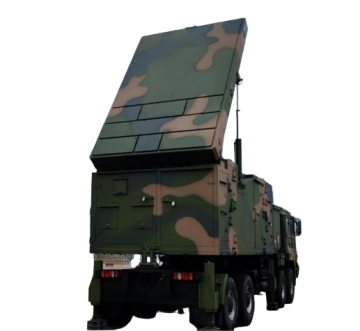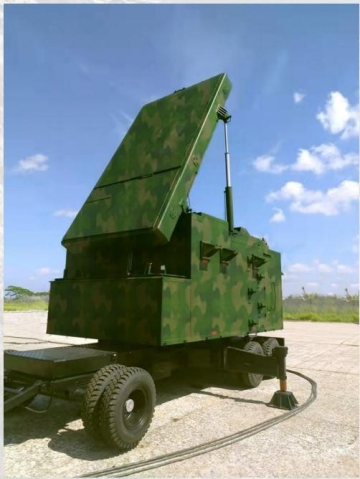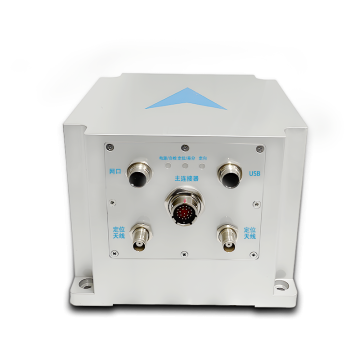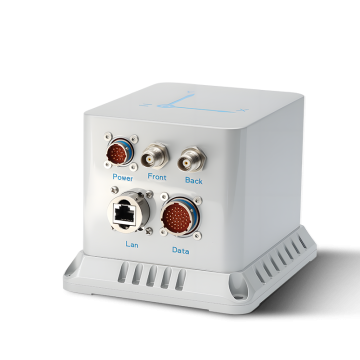
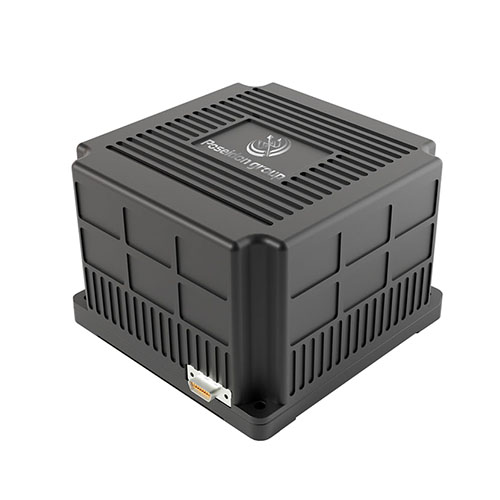
 TBSD60
 BSD120
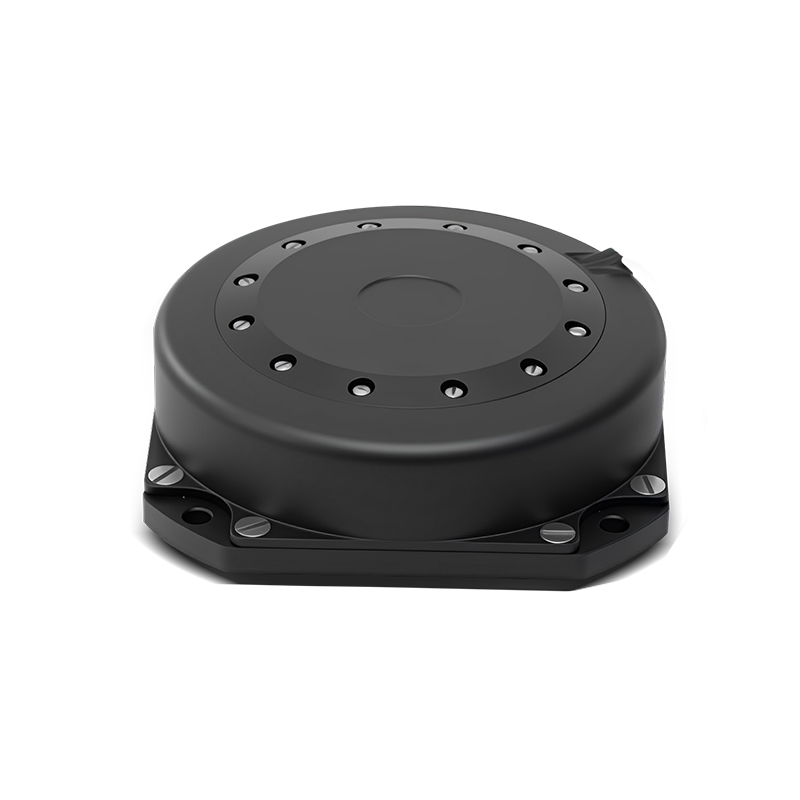 BSD98
BSD98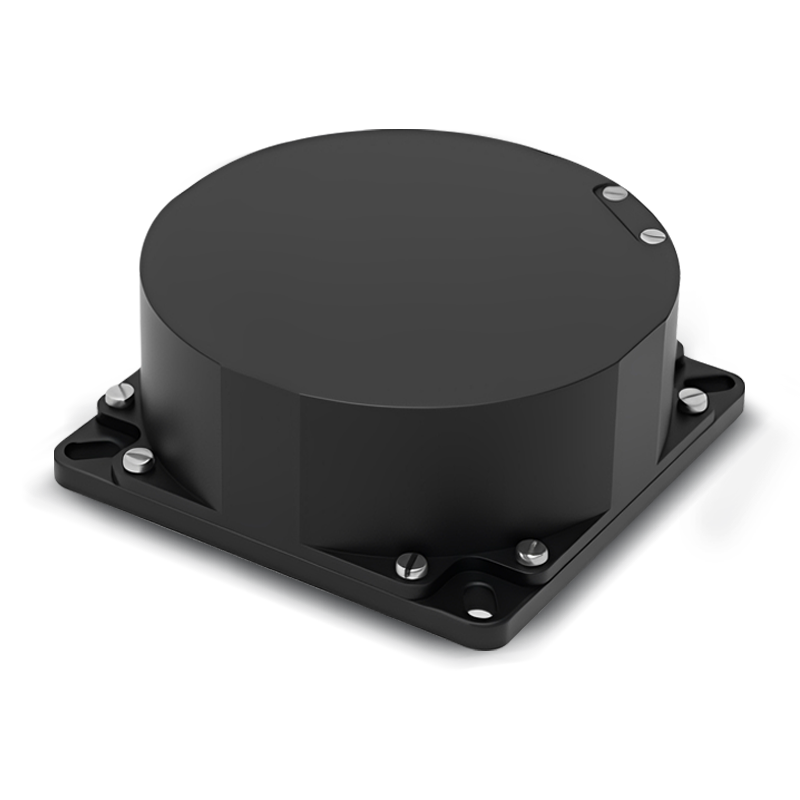 BSD70
BSD70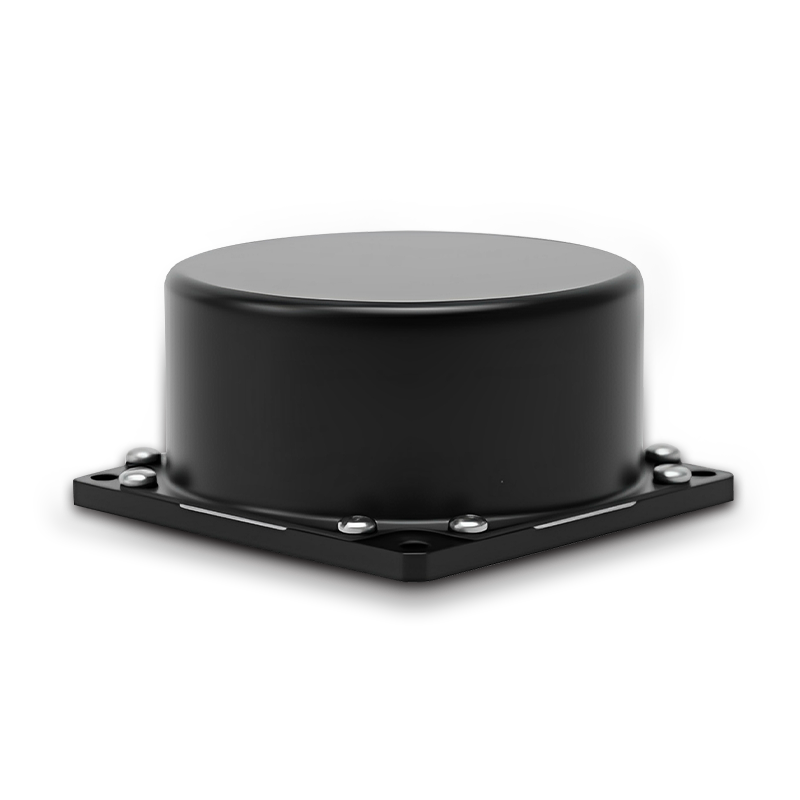 BSD60
BSD60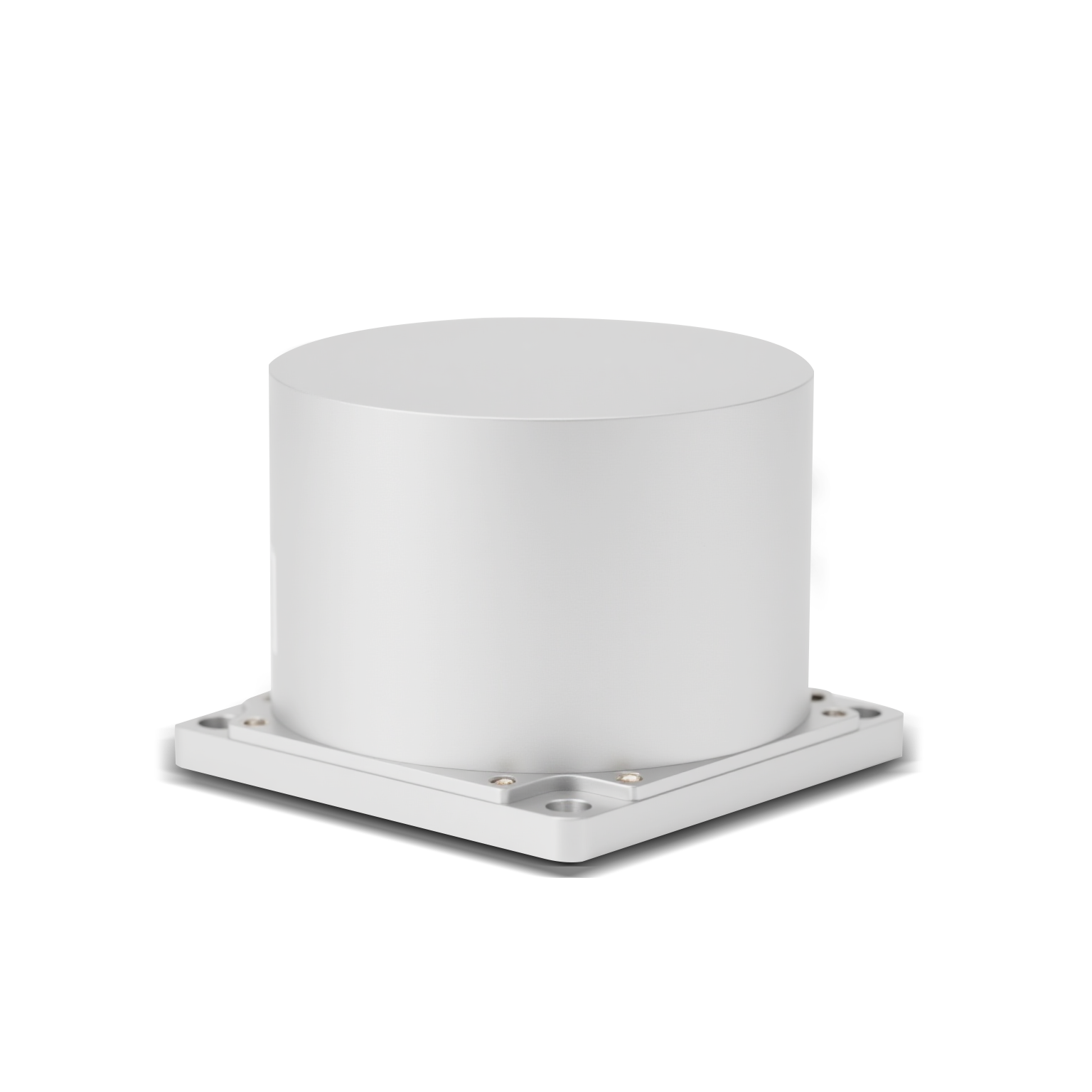 BSD50
BSD50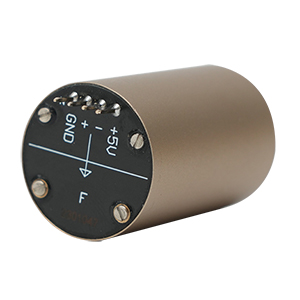 BSD217
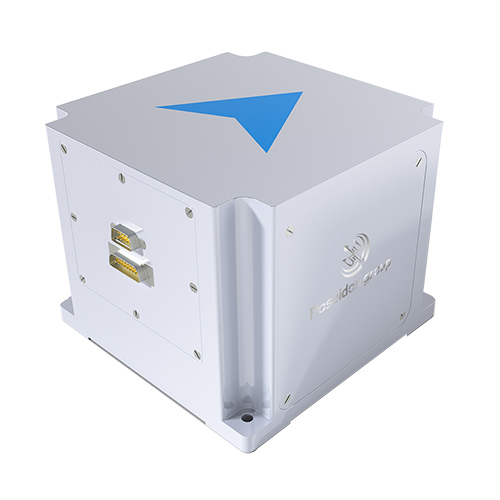 INS1700
 INS970
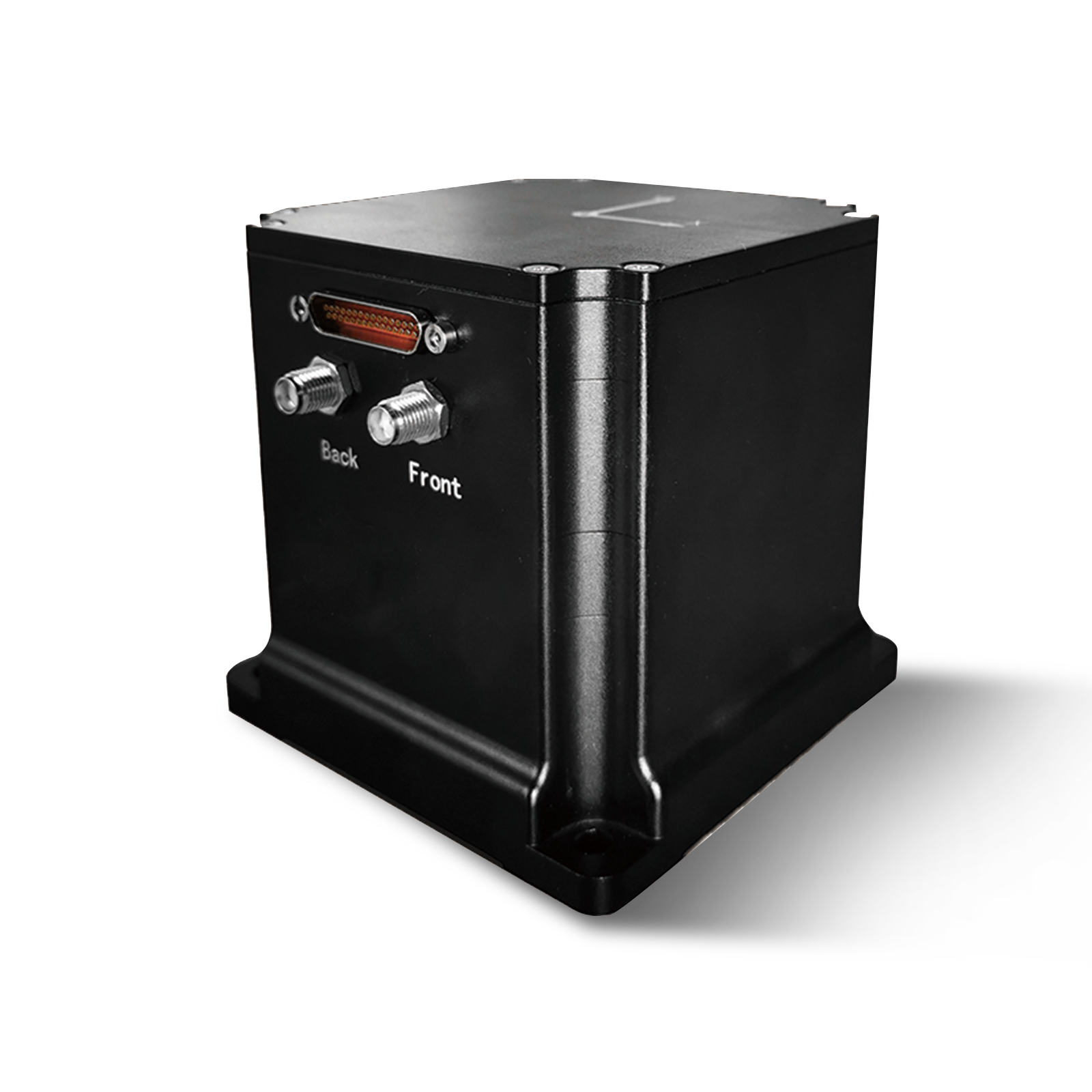 INS570
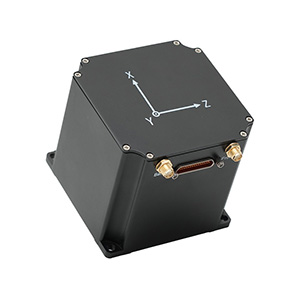 INS170
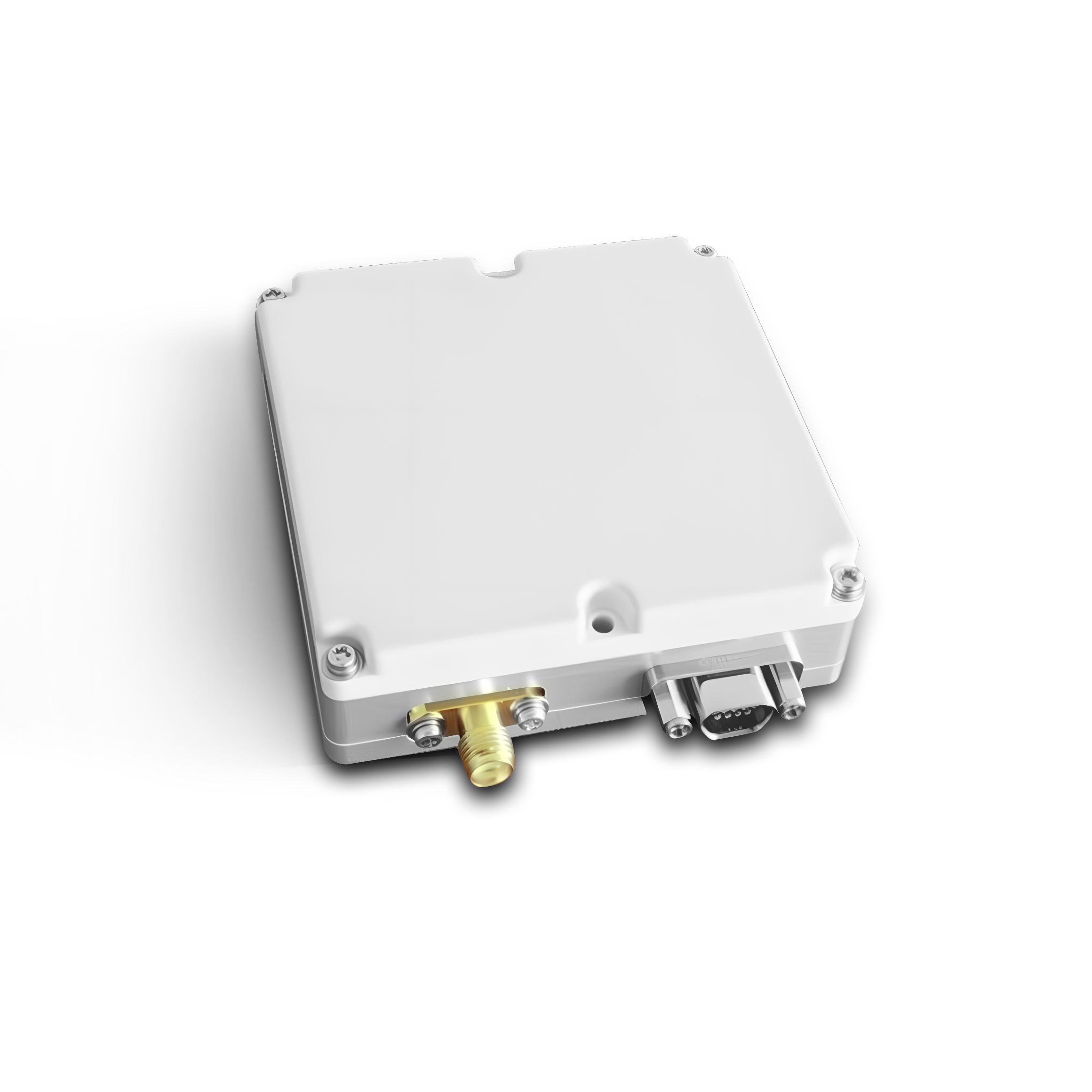 SLA-4B1L1-65
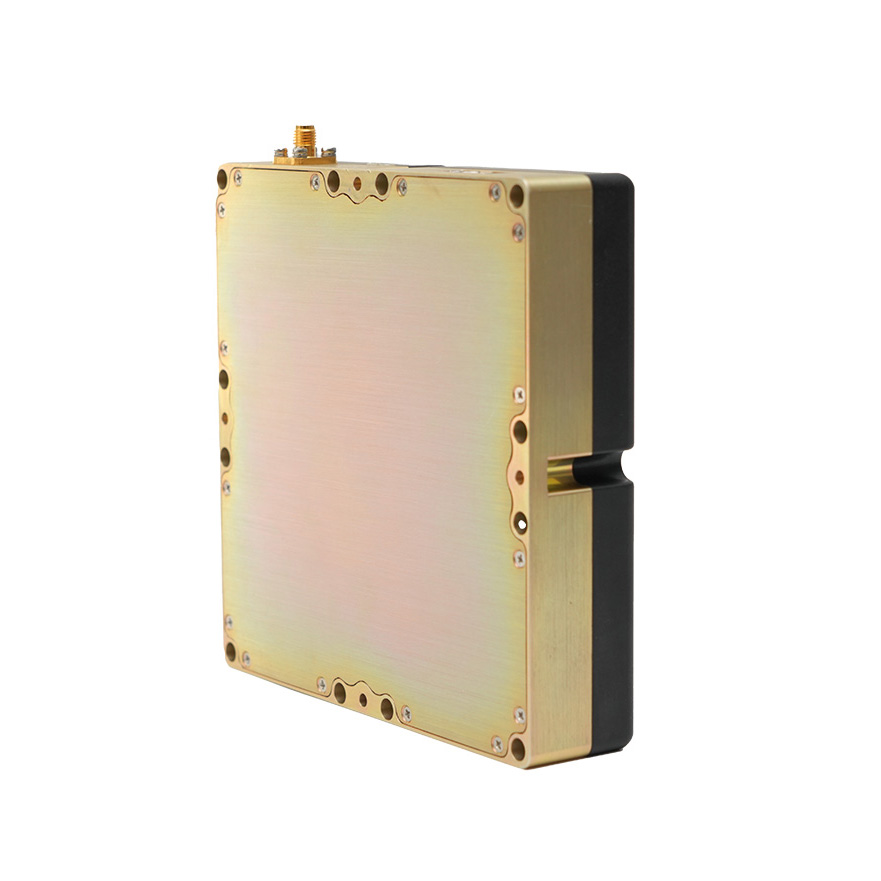 SLA-4B1L1-130
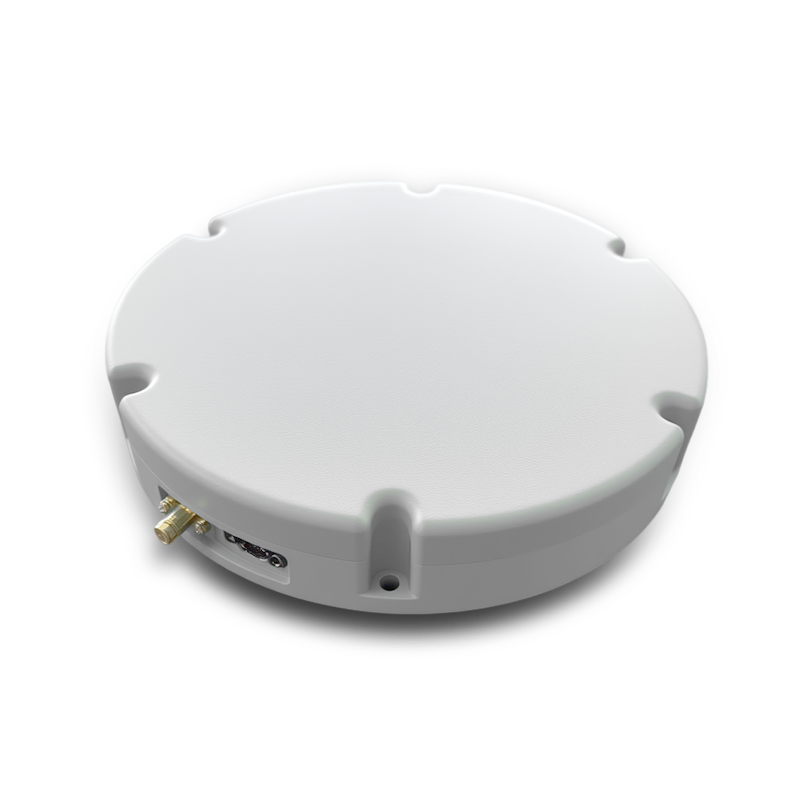 SLA-8B1L1-165
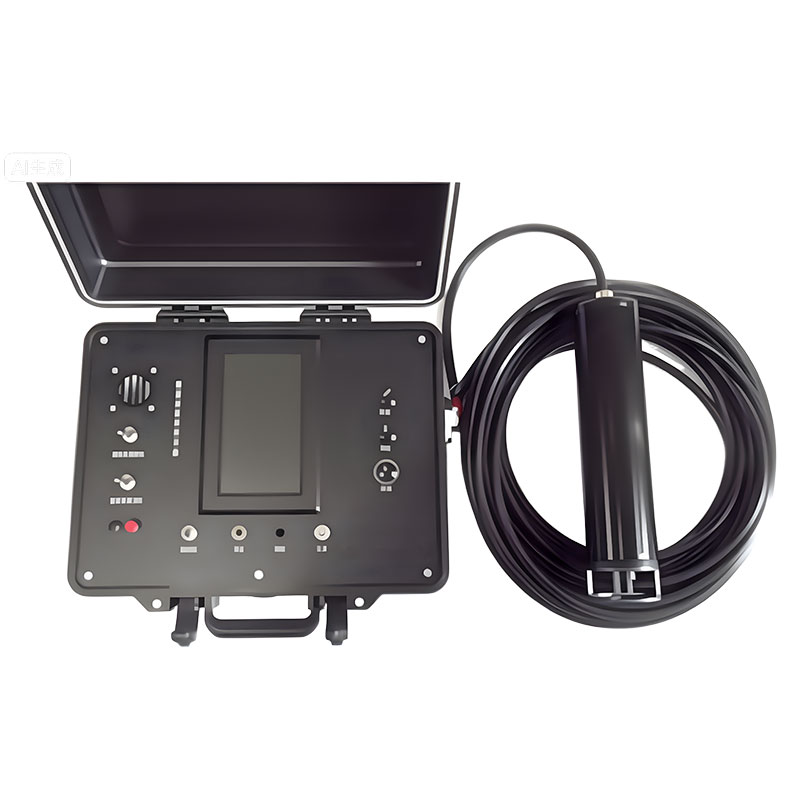 DIVER 101
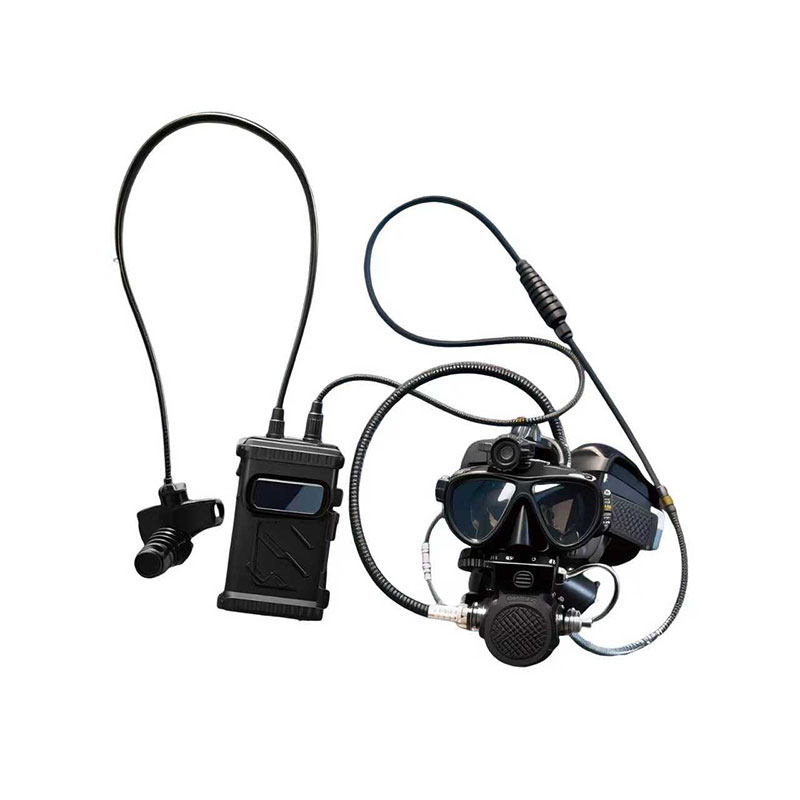 DIVER 102
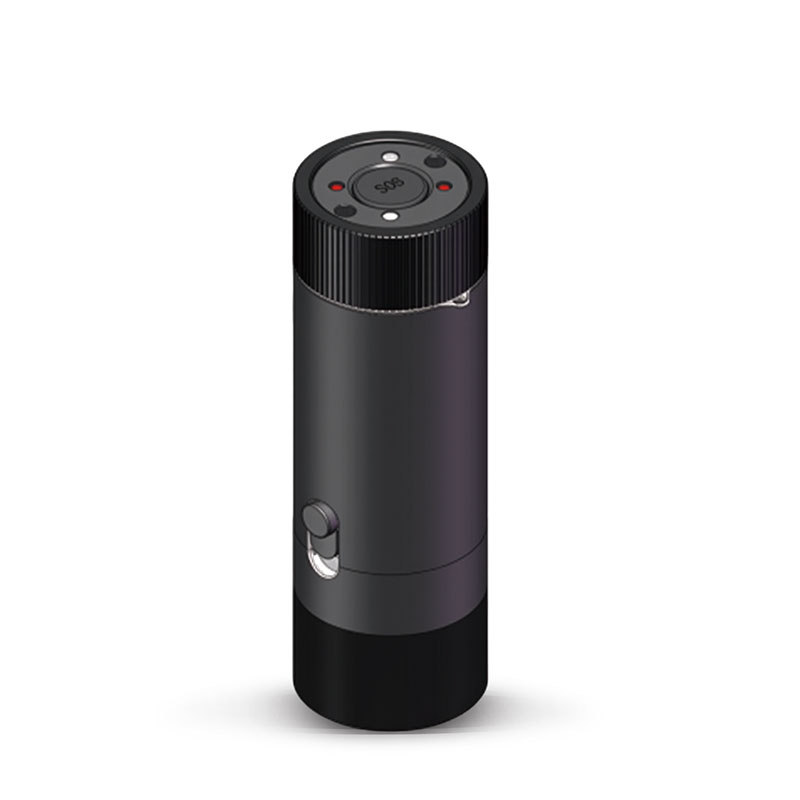 DIVER 103
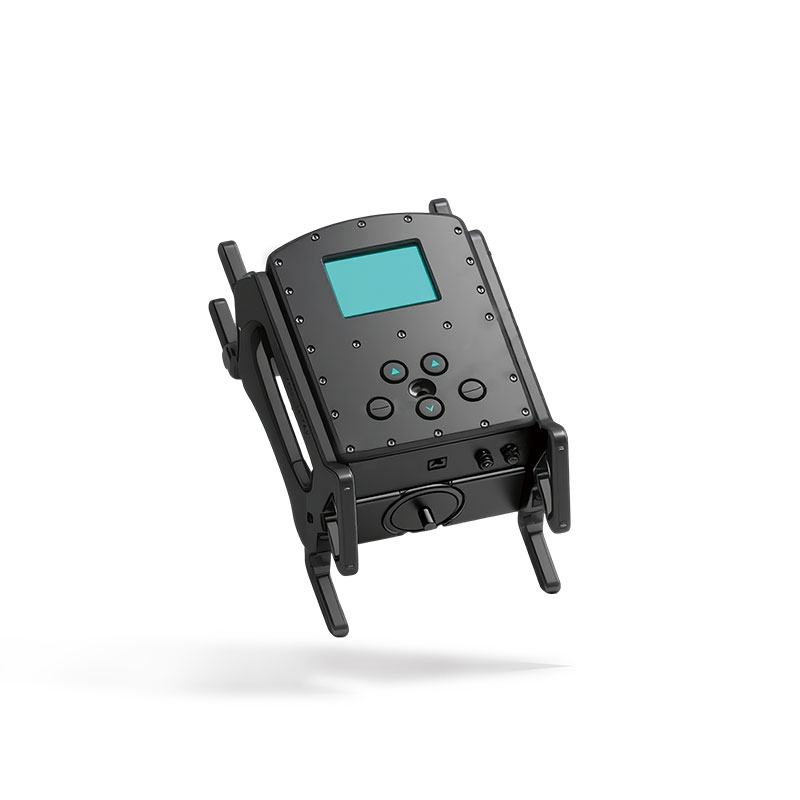 DIVER 104
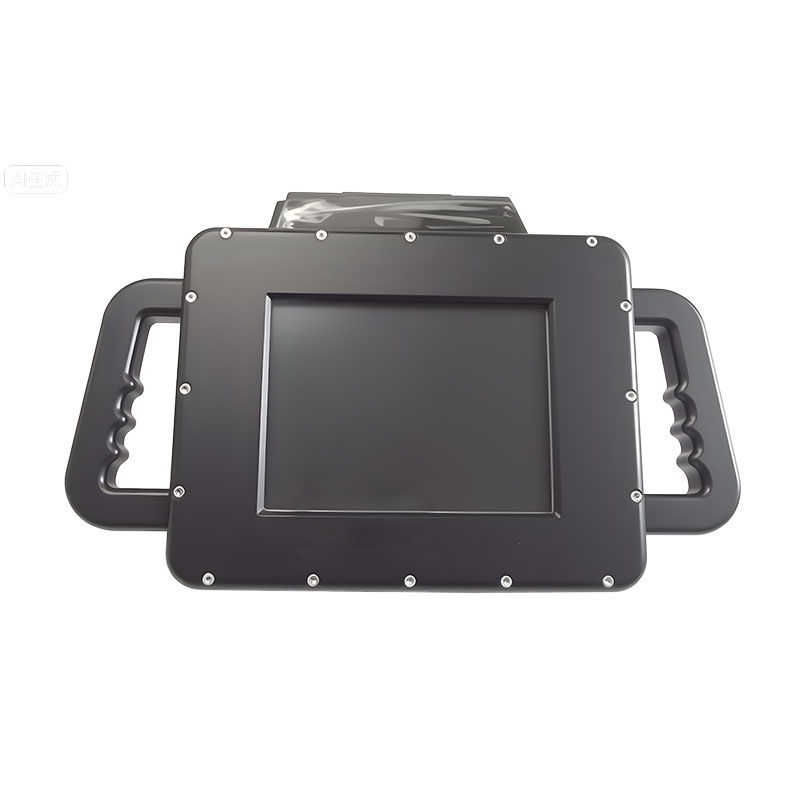 DIVER 105
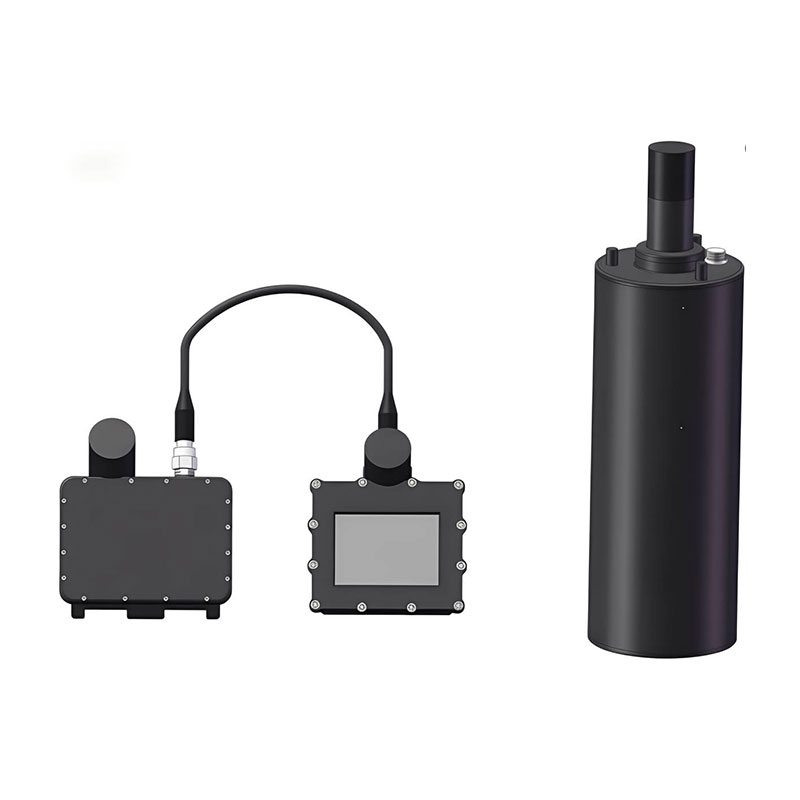 DIVER 106
 SLLR3000
 SLLR905
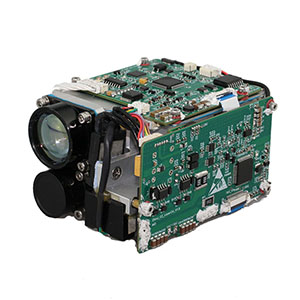 SLLD25
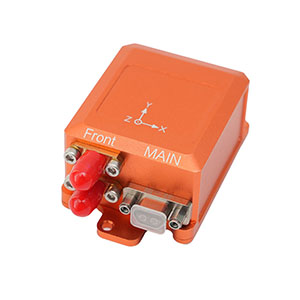 160M
160M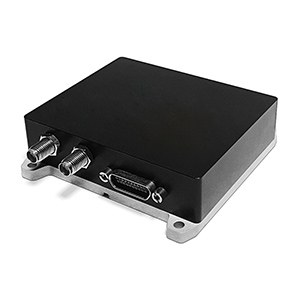 170M
170M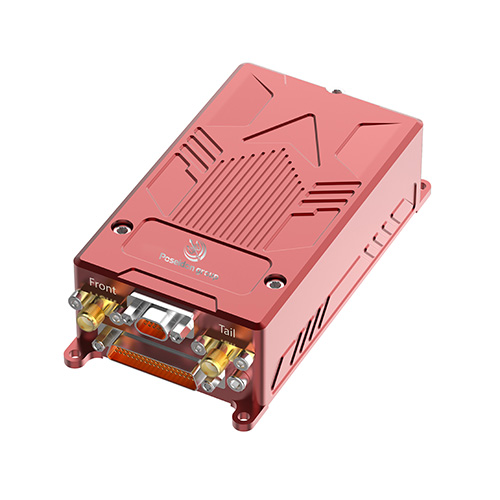 SLFC-70
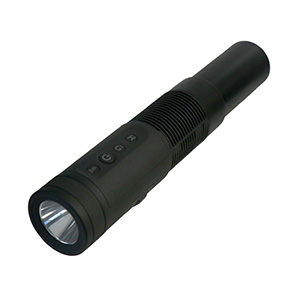 SLAF280
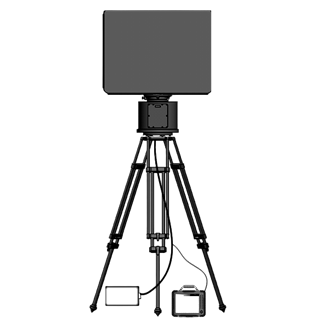 MR360
MR360
Leave Your Message
Discover our core lineup of high-precision sensors engineered specifically for the rigorous demands of autonomous vehicle navigation and guidance.
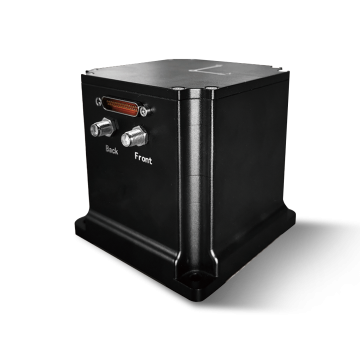
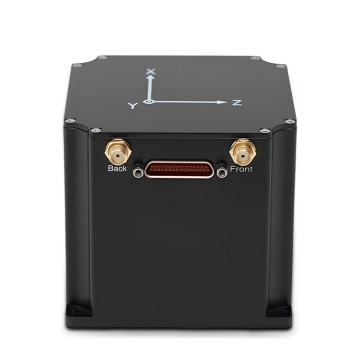
In the rapidly evolving landscape of autonomous vehicle (AV) technology, achieving centimeter-level accuracy and unshakeable reliability is not merely a goal—it is an absolute necessity. The integration of Global Positioning Systems (GPS) and Inertial Navigation Systems (INS) forms the foundational bedrock of modern autonomous navigation. While GPS (or GNSS broadly) provides excellent absolute positioning data globally, it is inherently vulnerable to signal blockage, multi-path effects in urban canyons, and intentional spoofing or jamming. This is where INS steps in. By utilizing highly sensitive accelerometers and gyroscopes—such as Closed-Loop Fiber Optic Gyroscopes (FOG) or advanced Micro-Electro-Mechanical Systems (MEMS)—an INS calculates the vehicle's position, velocity, and attitude at incredibly high frequencies entirely autonomously, without relying on external signals.
When combined, GPS and INS create a symbiotic guidance system. The GPS continually bounds the inherent drift of the INS over time, while the INS bridges the gaps during GPS outages, ensuring continuous, seamless, and highly accurate trajectory data. For autonomous vehicles ranging from robotaxis to heavy-duty freight trucks, this tightly coupled GPS/INS guidance architecture is what enables the vehicle's central computer to know exactly where it is, where it is heading, and how it is oriented in three-dimensional space at any given millisecond.
The commercialization of GPS/INS guidance systems has undergone a radical transformation over the past decade. Historically confined to aerospace, defense, and maritime applications due to their exorbitant costs and massive physical footprints, high-grade INS technologies have been aggressively miniaturized and cost-optimized for the automotive sector. Today, Tier 1 automotive suppliers and specialized navigation enterprises are mass-producing automotive-grade integrated navigation systems that meet stringent ISO 26262 functional safety standards (often targeting ASIL D certification).
The industrial landscape is currently defined by a race toward SWaP-C optimization (Size, Weight, Power, and Cost). Advanced manufacturing techniques have allowed high-precision MEMS IMUs to approach tactical-grade performance, drastically lowering the barrier to entry for Level 3 and Level 4 autonomous vehicle deployments. Major OEMs and self-driving startups are standardizing dual-antenna GNSS/RTK coupled with high-performance INS as the primary localization suite, treating visual and LiDAR SLAM (Simultaneous Localization and Mapping) as secondary or tertiary redundant systems.
The future of GPS INS guidance for autonomous vehicle navigation is being shaped by deep integration with Artificial Intelligence and advanced sensor fusion algorithms. Traditional loosely coupled and tightly coupled Kalman filters are evolving into ultra-tightly (or deeply) coupled architectures. In deep coupling, the INS data is fed directly into the GNSS receiver's baseband tracking loops, dramatically enhancing signal acquisition and retention in highly dynamic or jammed environments.
Furthermore, the industry is witnessing a massive trend toward AI-driven state estimation. Machine learning algorithms are being trained to recognize and dynamically model the specific error characteristics and thermal drift patterns of individual IMUs in real-time, effectively calibrating the sensor on the fly. Another critical trend is the multi-sensor fusion ecosystem, where GPS/INS data is deeply synchronized with solid-state LiDAR point clouds and high-definition (HD) maps. This creates a resilient localization engine capable of maintaining decimeter accuracy even in prolonged GPS-denied environments, such as multi-level underground parking structures or complex urban tunnels.
The true power of integrated GPS/INS guidance is best understood through its critical application in diverse and challenging autonomous vehicle operational domains. Below, we dissect the specific scenarios where high-precision navigation is paramount.
In dense metropolitan areas surrounded by towering skyscrapers, GNSS signals suffer from severe multipath effects—where signals bounce off buildings, causing massive positioning jumps. For Level 4 Robotaxis, this is unacceptable. A high-grade GPS/INS system utilizes the inertial data to reject anomalous GPS multi-path jumps. During complete signal loss in "urban canyons," the INS maintains accurate lane-level positioning, allowing the vehicle to navigate safely until open sky is reached.
Autonomous freight trucks operate at high speeds, meaning even a fraction of a degree in heading error can result in dangerous lane departures. The sheer mass and momentum of a Class 8 truck require long-range look-ahead capabilities. Here, FOG-based INS systems are often preferred due to their exceptionally low bias instability and superior heading accuracy. They provide the highly stable, low-latency attitude data required for smooth, high-speed steering actuation and platooning operations.
In off-road environments like autonomous farming and open-pit mining, the terrain is uneven, causing violent vehicle dynamics. GPS alone cannot determine the vehicle's roll and pitch accurately enough to compensate for the lever-arm effect on the antenna. An integrated INS provides precise 3D attitude data, ensuring that an autonomous tractor maintains exact centimeter-level row spacing, or an autonomous haul truck navigates treacherous mining roads safely, maximizing yield and operational efficiency.
Based in Hong Kong, we are a global enterprise dedicated to delivering high-quality products and professional services. We have established long-term, stable, and efficient partnerships with numerous suppliers worldwide, ensuring competitive pricing and superior product quality in the realm of autonomous vehicle navigation and beyond.
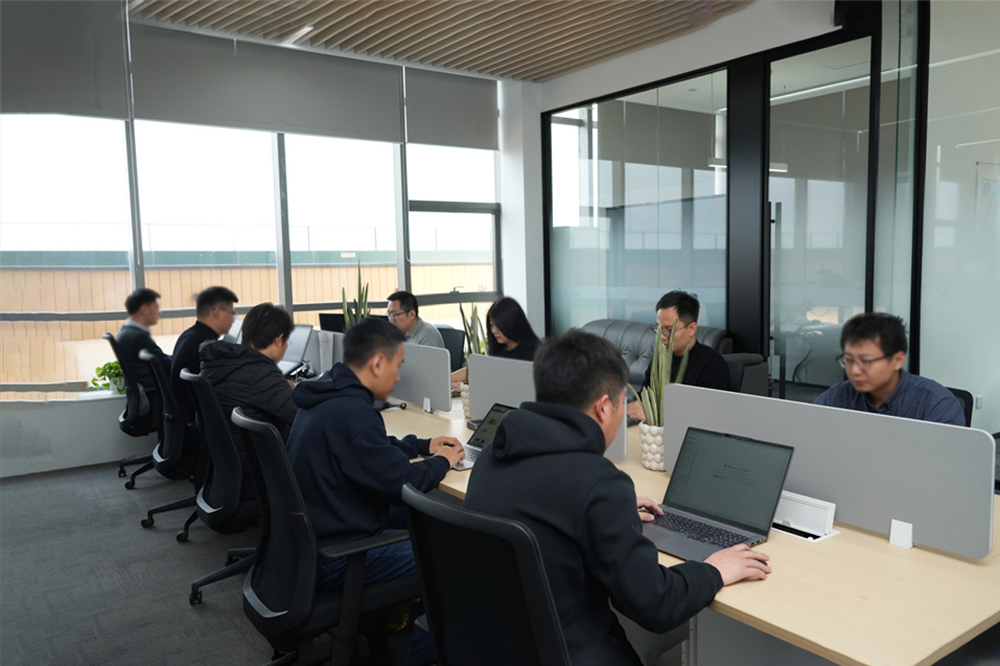
Reducing costs by 25% while maintaining strict quality control for autonomous applications.
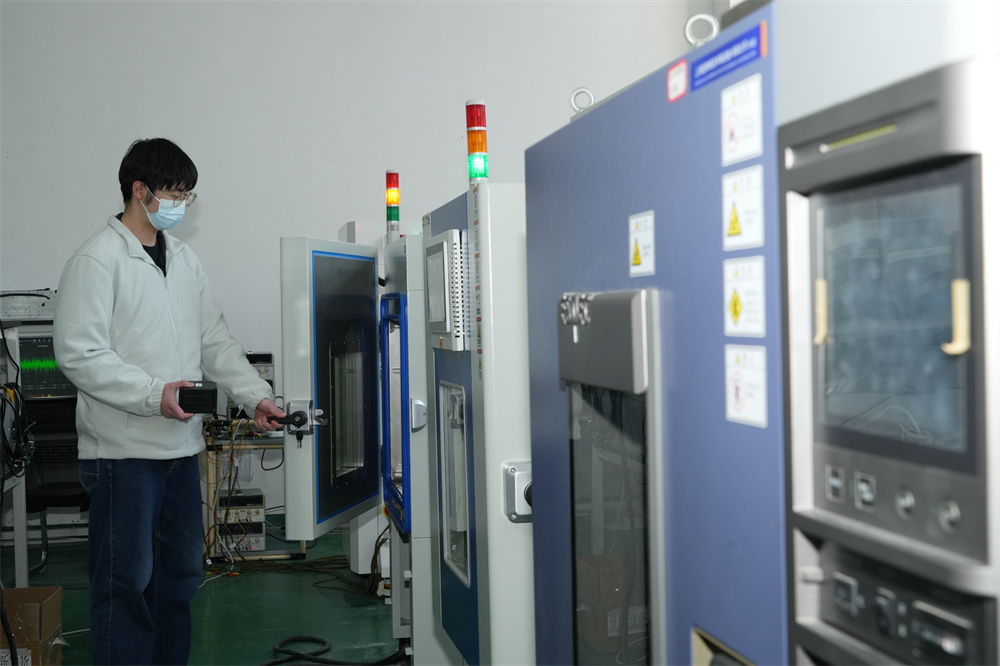
Improving performance by 20% through advanced AI and sensor fusion techniques.
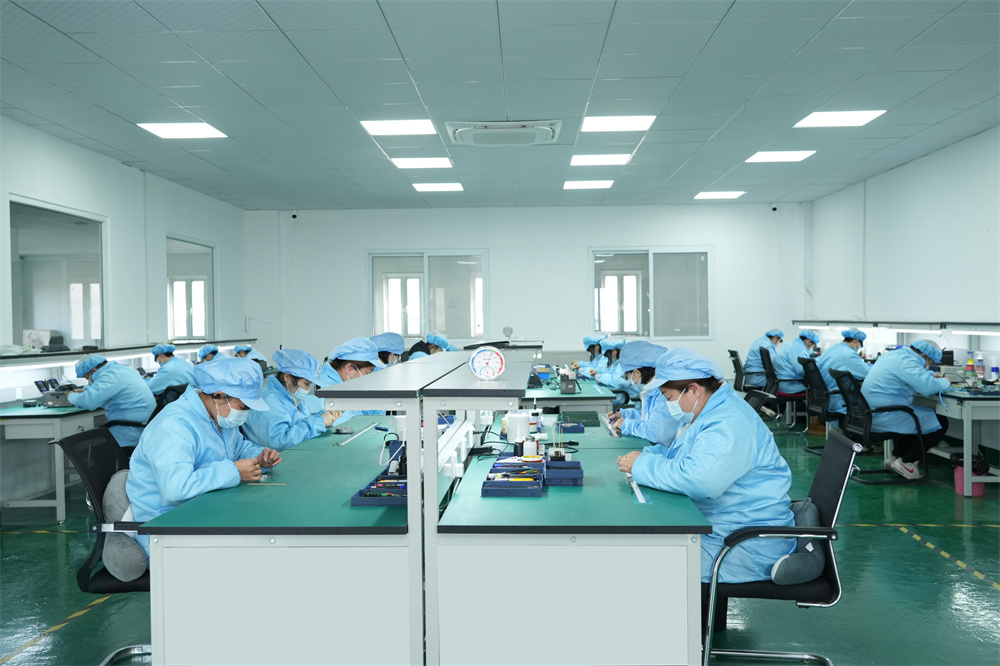
Ensuring stable quality and efficiency to meet the demands of global automotive OEMs.
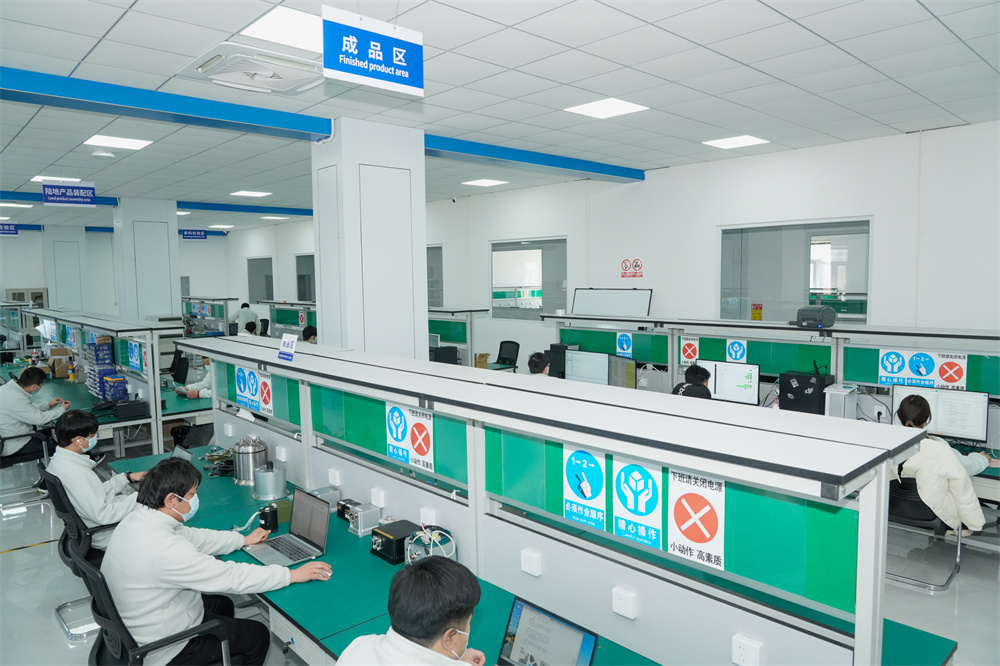
Delivering cross-industry solutions from components to full autonomous navigation systems.
Poseidon International Limited, Hong Kong strives to provide satisfactory products and services to customers from all walks of life, particularly in the demanding field of autonomous vehicle navigation.

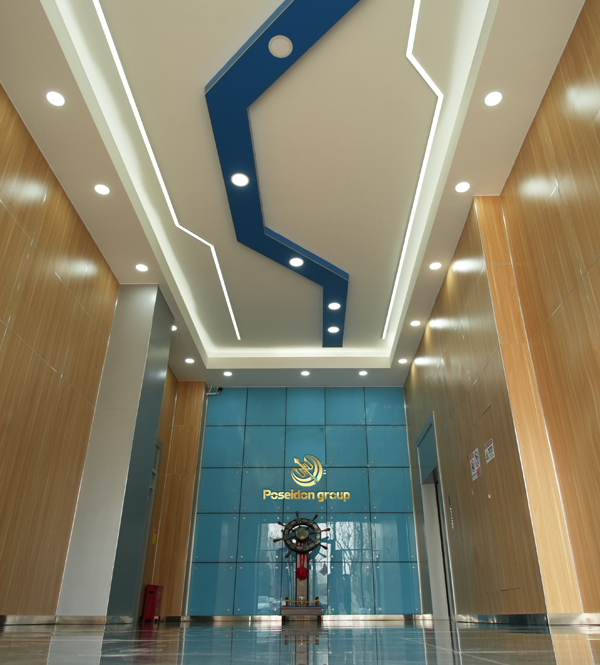
We specialize in the independent research, design, and production of fiber optic gyroscopes (FOG), inertial navigation systems (INS), attitude and control systems, autonomous driving systems, and intelligent control systems for unmanned equipment. By integrating industry-specific requirements, we have made significant technological advancements in digitalization, automation, and intelligence, securing multiple technical patents. With years of experience, we have evolved into a multi-industry intelligent solutions provider with a portfolio of proprietary core technologies.
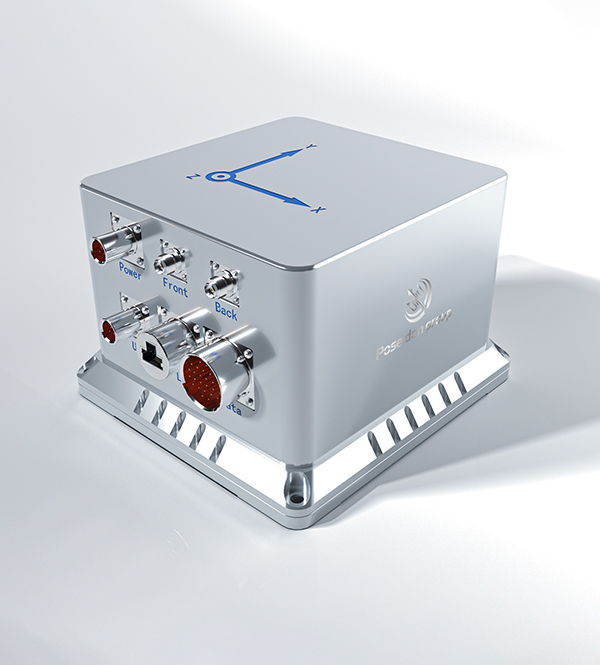
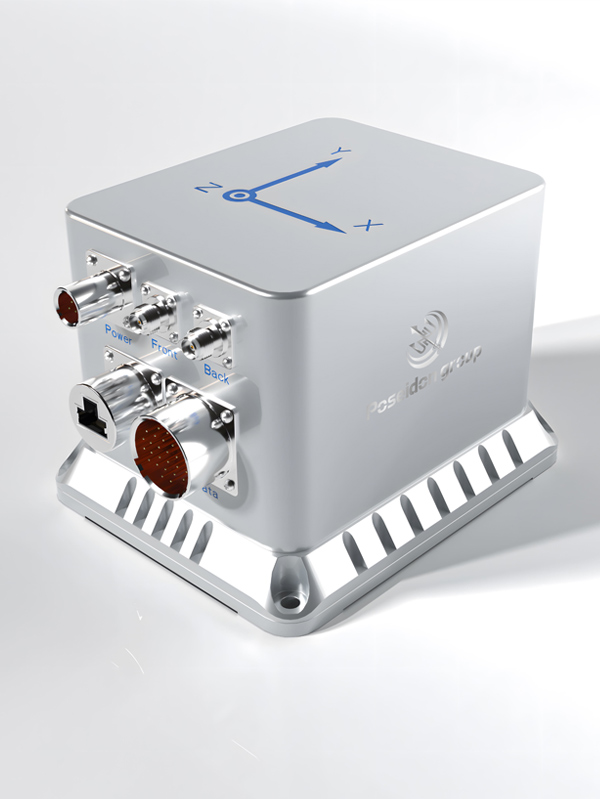
Our core team comprises seasoned experts with extensive backgrounds in aerospace and inertial navigation. We have successfully tackled critical technological challenges in high-precision GNSS-free navigation, laser measurement, integrated navigation, multi-source data fusion, and precise positioning—areas that were once bottlenecks in the autonomous vehicle industry.


Our products are smaller in size, higher in accuracy, and more stable in performance, featuring long-term dynamic auto-calibration with zero-drift operation. They are widely adopted in scientific research, industrial control, intelligent unmanned systems, high-precision detection, and metrology. Having passed rigorous validation in aviation, aerospace, marine, mining, and railway applications, our solutions have been procured in bulk, filling key technological gaps in China.

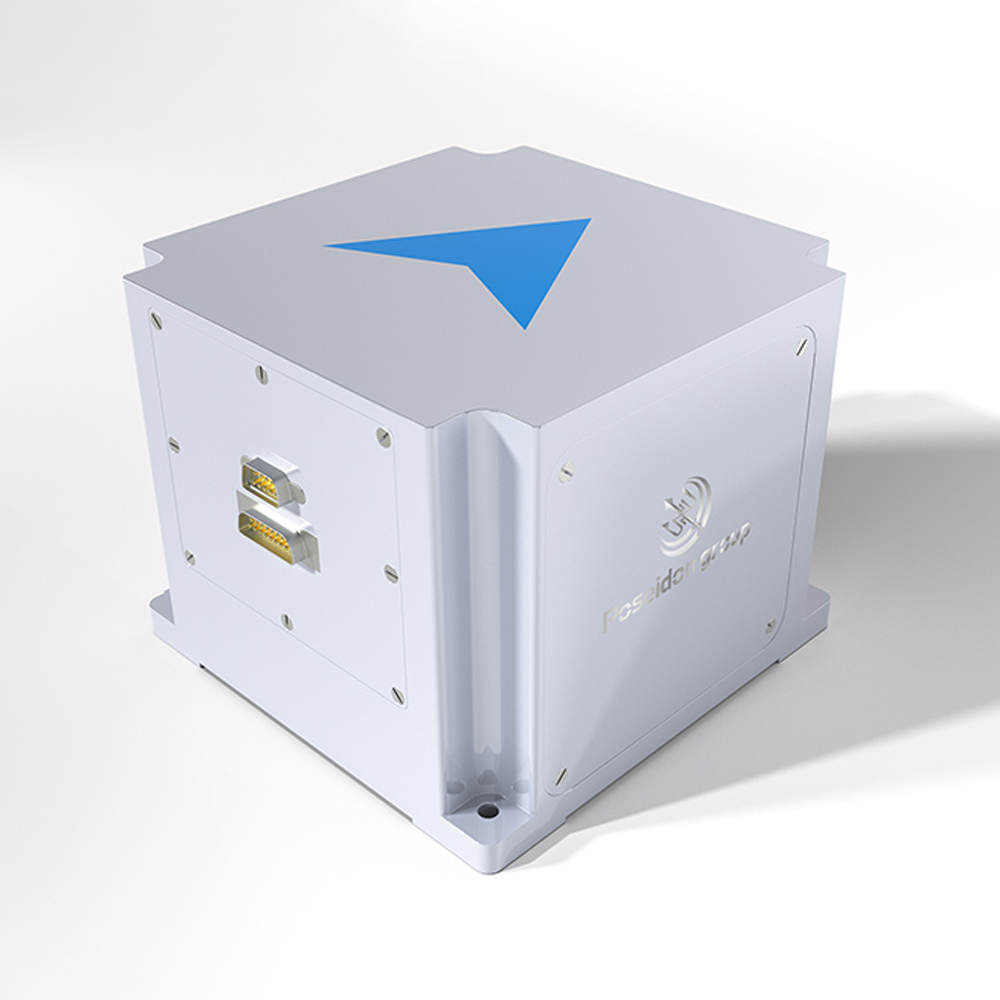
We operate over a 6,000-square-meter manufacturing facility in mainland China, equipped with advanced R&D, production, and testing infrastructure, enabling large-scale production and timely delivery. Our network of subsidiaries, offices, and spare parts warehouses ensures prompt technical support and after-sales service. We provide comprehensive, all-in-one solutions, whether for components, products, systems, or complete project solutions, always ensuring the best value for our clients.
Compared to similar companies in the autonomous navigation sector, we offer unique advantages that drive our clients' success:

Creating mutually beneficial relationships with clients and partners across the AV ecosystem.

Commitment to ethical business practices and rigorous functional safety standards.

Providing clear, one-time offers with no hidden costs for mass production deployments.

24/7 service guarantee in all time zones with minimal response time for critical AV operations.
Guided by the vision of "Connecting the World through Inertial Navigation", we strive to push the boundaries of navigation technology, aiming to become a leading integrated solutions provider with a broad product portfolio and advanced competencies.
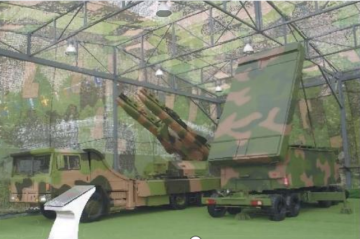
Contact Us TodayExplore our full range of GPS/INS guidance systems and tracking radars, designed to empower the next generation of autonomous mobility.